The movement archive - the original since 1997
Have fun!
Recent additions
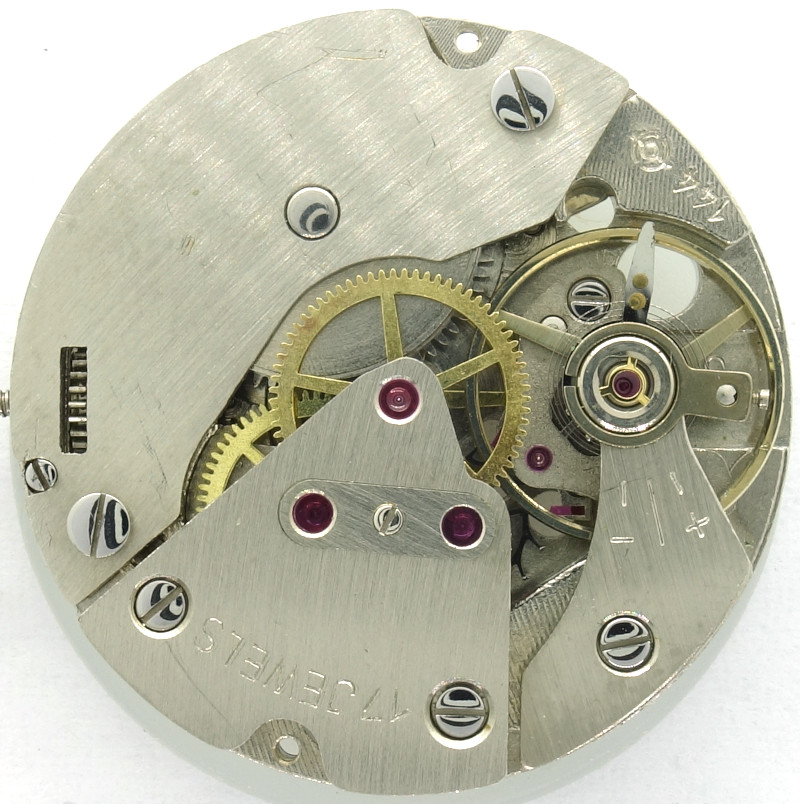
Otero 144
For a pallet lever movement, a rocking bar winding mechanism is unusual, especially, when it is constructed in such an odd way, as the Otero 144 does.
more....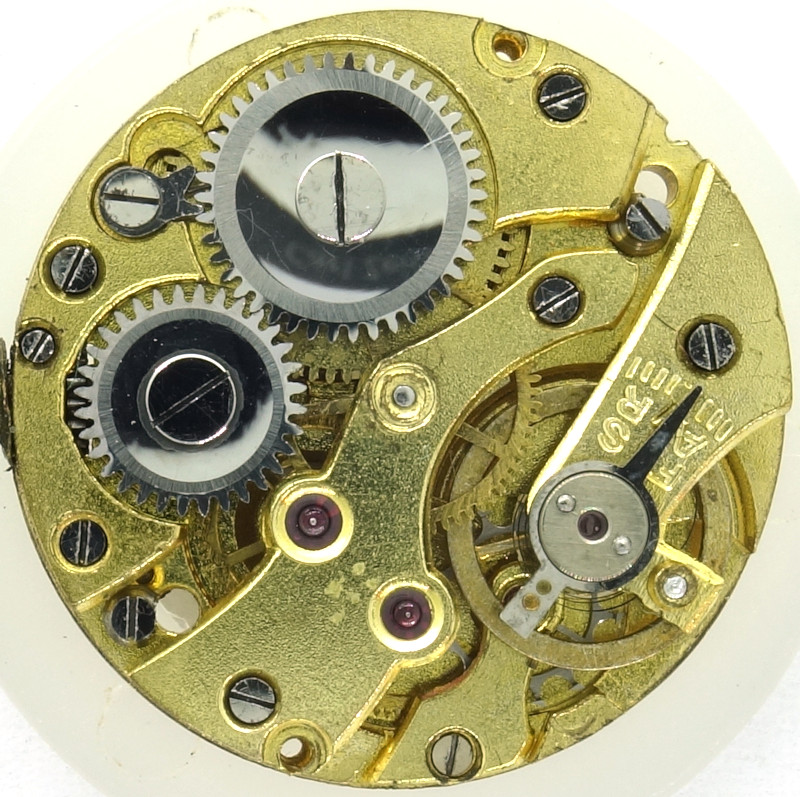
AM 610
One of the later and hence in literature well documented cylinder movements is this swiss caliber, suitable for ladies' watches.
more....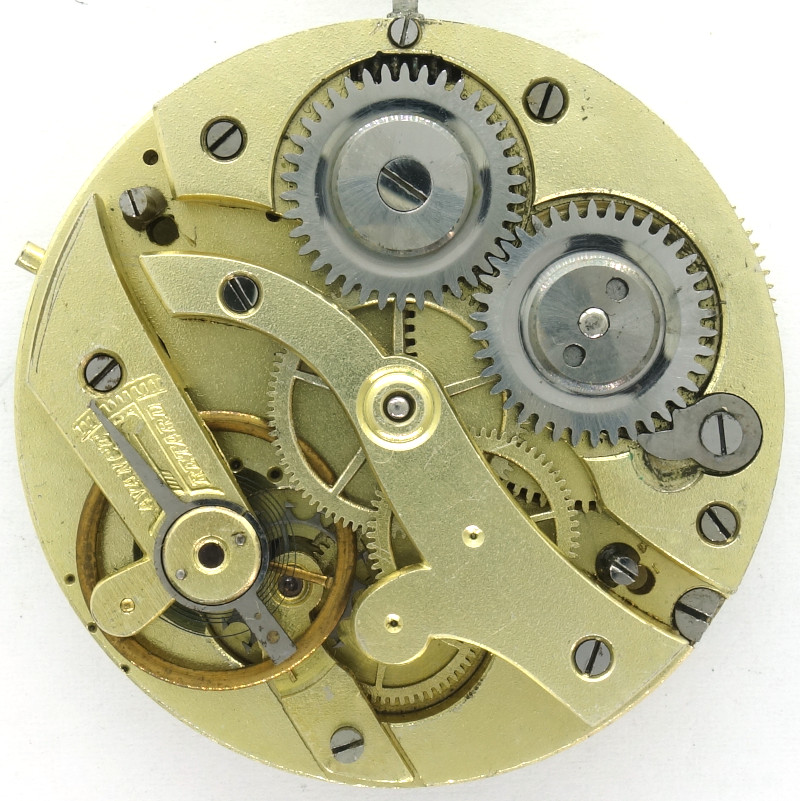
Eclipse Type 1 18'''
This 40mm pocket watch movement with cylinder escapement and six jewels was made by Lévy/Eclipse.
more....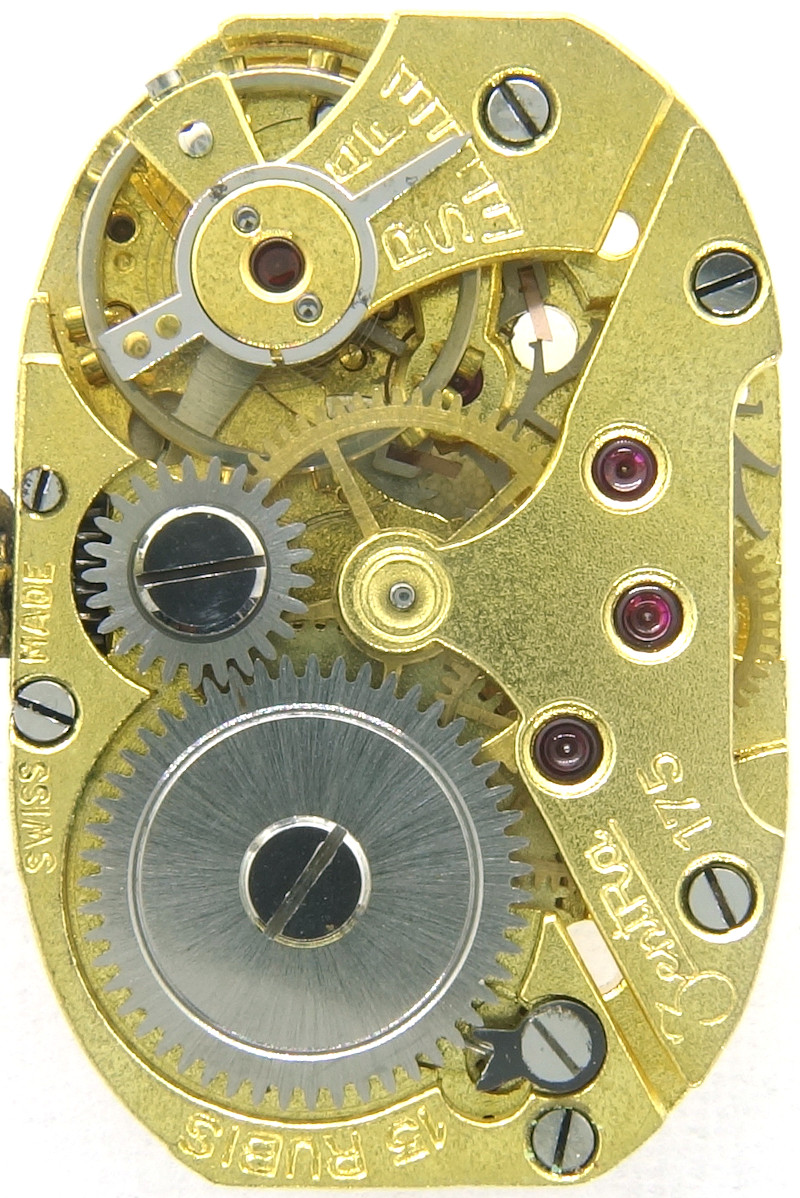
AS 655
A very early form movement for ladies' watches is this swiss caliber, made in the 1930s and 1940s.
more....
Osco 70
With the balance on position 6 o'clock, this form movement for ladies' watches is constructed in an unusual way.
more....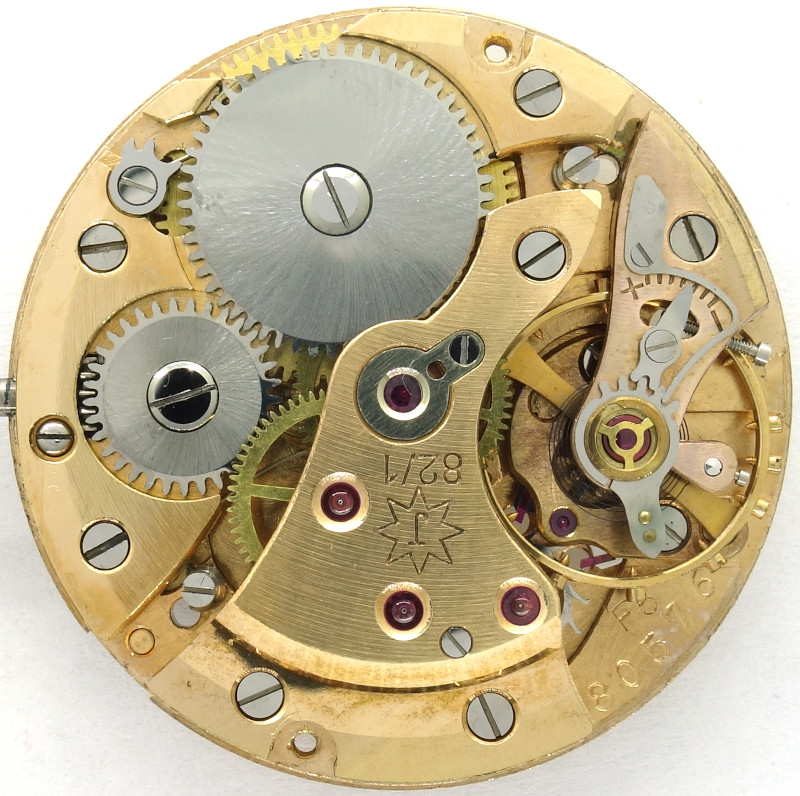
Junghans J82/3 (682.73)
The most famous chronometer movement, made in Germany, which marks the pinnacle of german (wrist-)watchmaking caliber production.
more....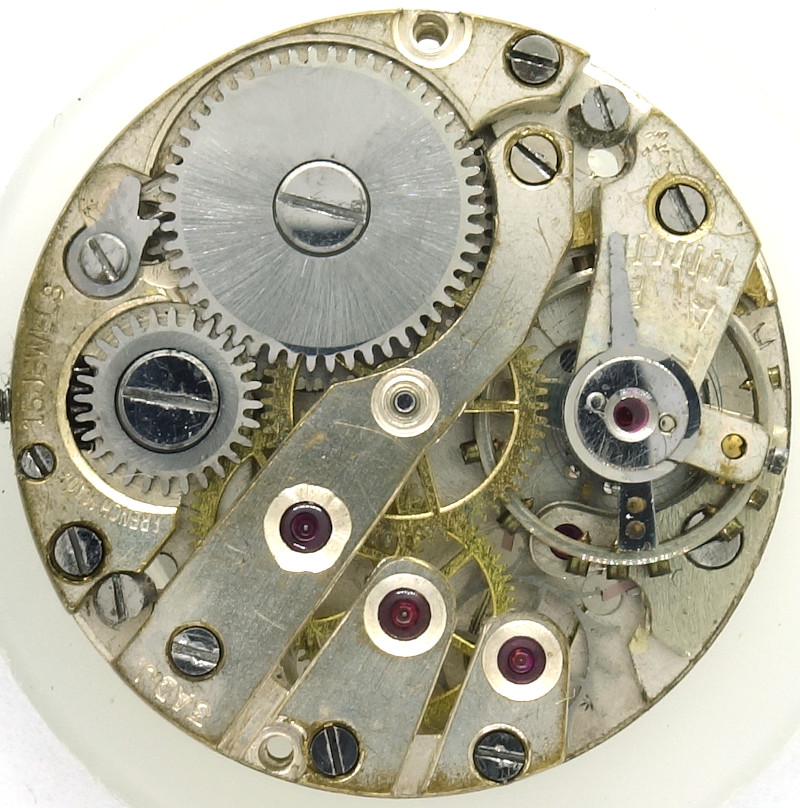
Judex 130
Signed "French Made" is this 8 3/4 ligne windup movement from the 1940s, which promises more, than it could finally hold.
more....
Unitas 6325
One of the most common 13 lighe windup movements, which was used in large quantities in the 1960s and 1970s.
more....About the movement archive
In the past, especially between 1930 and 1980 more than 10.000 different movements were made, some in a million copies. The advent of the quartz watch in the 1970 terminated that impressive series, and the greatest part of those movements has not existed for a long time.
The movement archive on 17jewels.info, whose origins date back to the year 1997 (under a different name), should counteract further oblivion and show how diverse mechanical movements once were.
Of course it can never show the complete stock of all movements ever made, nevertheless, almost every week, new movements are archived and shown with detailed articles. Currently, more than 1381 different movements found their way into the archive and are at at least virtually accessible to posterity.
You can directly access the movement by the “movements” menu.
Besides the movements there are other pages, which complement the topic “mechanical watches”, such as a collection of Timex watches, some loose articles in the Magazine and Knowledge sections, a few datasheets and some other workbench related articles.
The archive lives from permanently acquiring yet unarchived movements, to catalogue and put them online. Who wants to support it with a small dontion, can get a “supporters” page as thanks.
Have fun exploring the world of mechanical movements!